
1-805-484-2992
Quotes - Engineering - SalesOverview
A chiller removes heat to hold a cold setpoint. A temperature control unit (TCU) does the opposite job on the same production floor: it circulates water or oil through a mold, die or process jacket and adds or trims heat to hold a warm or hot setpoint, often well above ambient. The two are frequently specified together on one line - an Advantage chiller cooling the part, a TCU holding the mold or die at temperature - and neither substitutes for the other.
Advantage's TCU lineup covers water circulating units up to 250°F and 300°F for standard mold and process heating, hot-oil units up to 500°F for processes that exceed what water can handle under normal pressure, and multi-zone units that deliver two or three independently controlled temperatures from a single frame.


| Series | Max Fluid Temp | Flow |
| Up to 250°F (VE, G, Temptender) | 250°F | 35-100 GPM |
| Up to 300°F (G300, T300) | 300°F | 35-100 GPM |
| Hot Oil (Regal) | 500°F | 30-100 GPM |
| Multi-Zone (Bi-Temp, Tri-Temp) | Varies by zone | 35-100 GPM per zone |
TCU SERIES

Up to 250°F

Up to 300°F

Hot Oil Units

Multi-Zone Units
Which Series Is Right?
Water circulation is the simpler, lower-cost path and covers most hot-runner injection molding, laminating and die-preheat work up to 250°F, with the 300°F series available when a standard unit isn't hot enough. Once the process needs to run hotter than water can reliably hold under normal pressure, a hot-oil unit takes over - oil doesn't flash to steam the way water does as temperature climbs, so it's the correct fluid path above roughly 300°F rather than pushing a water unit past its design range.
If a single mold or process has more than one zone that needs a different setpoint at the same time - a multi-cavity mold, or a line with both a heating zone and a cooling zone - a Bi-Temp or Tri-Temp multi-zone unit does that from one frame instead of running separate single-zone units side by side. Tell us the required fluid temperature, flow rate, and number of independent zones and we'll match an Advantage TCU series.
What Sizes A TCU
Fluid
Water Or Oil
Set By The Ceiling
Water is simpler and lower cost but tops out around 300°F under normal pressure. Above that, oil is the correct fluid because it stays liquid and stable at temperatures where water would flash to steam.
Setpoint
Up To 500°F
With Margin, Not At The Limit
Pick a series with headroom above the actual required setpoint rather than a unit that runs continuously at its rated ceiling - running near the limit is harder on seals and pump life than running comfortably below it.
Flow
30-100 GPM
Matched To The Jacket
Flow rate is set by the mold, die or jacket's own circuit design, not just the frame size of the TCU - the wrong flow rate undermines temperature uniformity across the tool even with an otherwise correctly sized unit.
Zones
Single Or Multi
One Frame, Several Setpoints
A multi-cavity mold or a combined heat/cool process step needs more than one independently controlled temperature at once - a Bi-Temp or Tri-Temp unit delivers that from a single frame instead of several single-zone units.
Sizing A Temperature Control Unit
Required setpoint decides fluid type first - water through 300°F, hot oil above it. Flow rate then follows from the mold, die or jacket circuit's own design, not from the TCU frame alone. Where a process needs more than one independently controlled temperature at once, factor zone count in before selecting a series rather than sizing a single-zone unit and adding a second one later.
Because seal and pump construction differ between water and oil service, confirm fluid type before finalizing flow rate and connections - the two aren't interchangeable on the same frame.
Send Us
- Required fluid setpoint
- Required flow rate (GPM)
- Water or oil service preference
- Number of independently controlled zones needed
DIG DEEPER BY SERIES
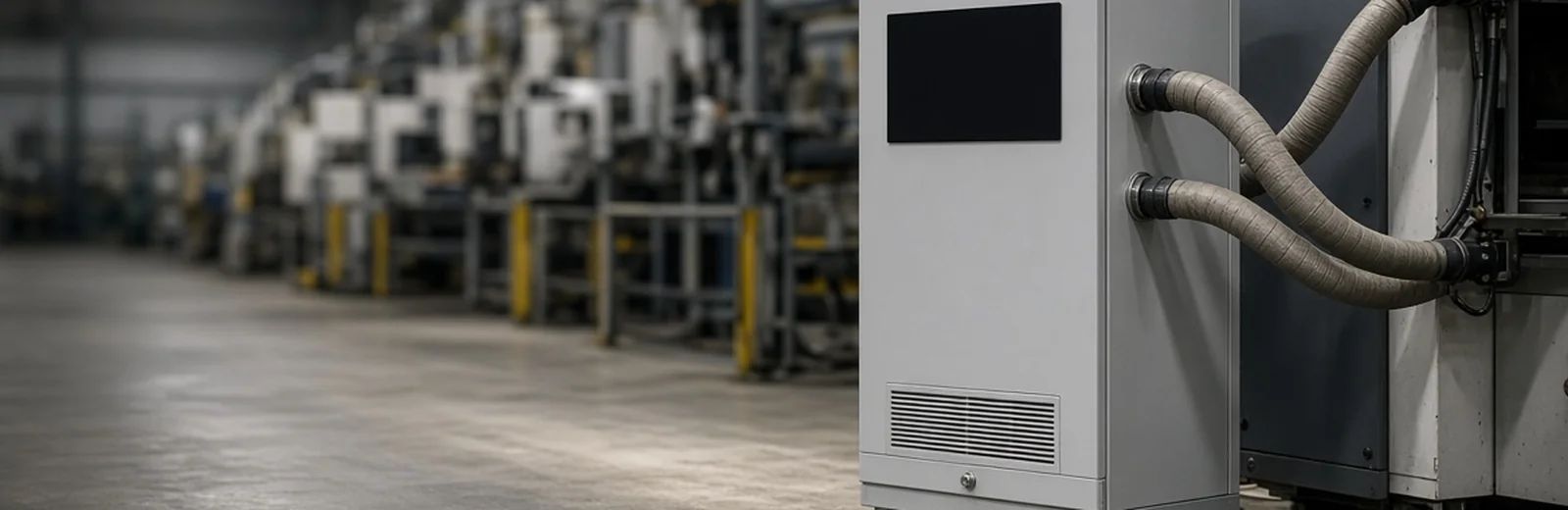
Up to 250°F
VE, G and Temptender water-circulating series for standard mold and process heating.
Learn More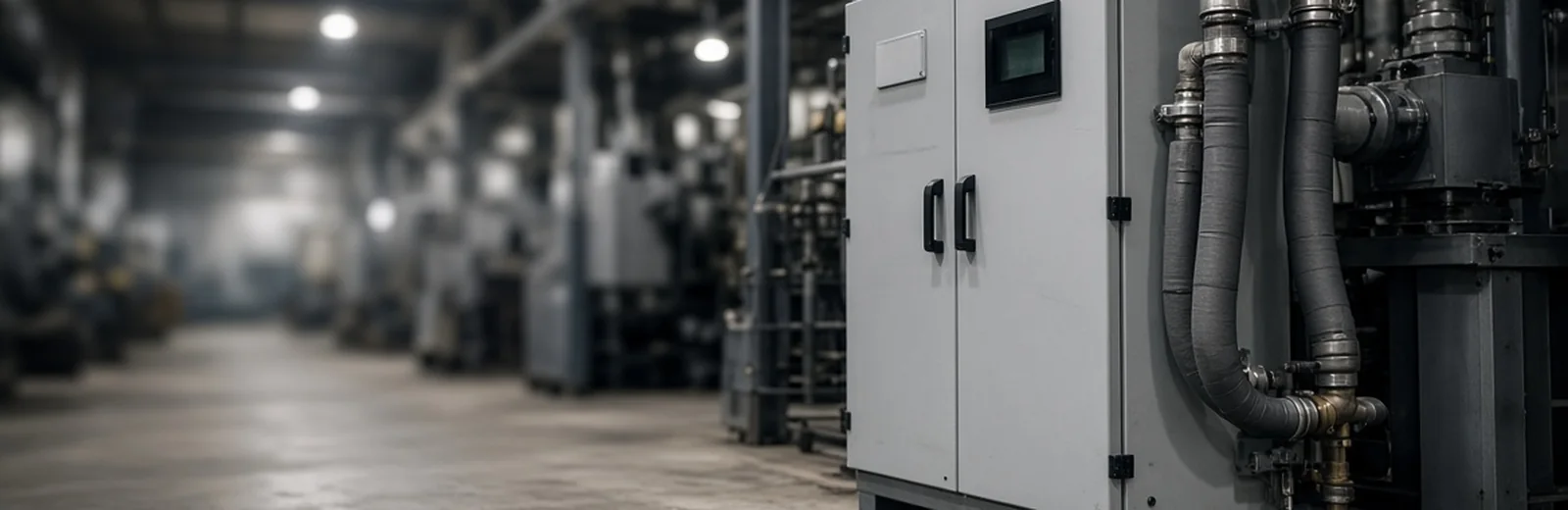
Up to 300°F
G300 and T300 series for processes that need more headroom than a 250°F unit.
Learn More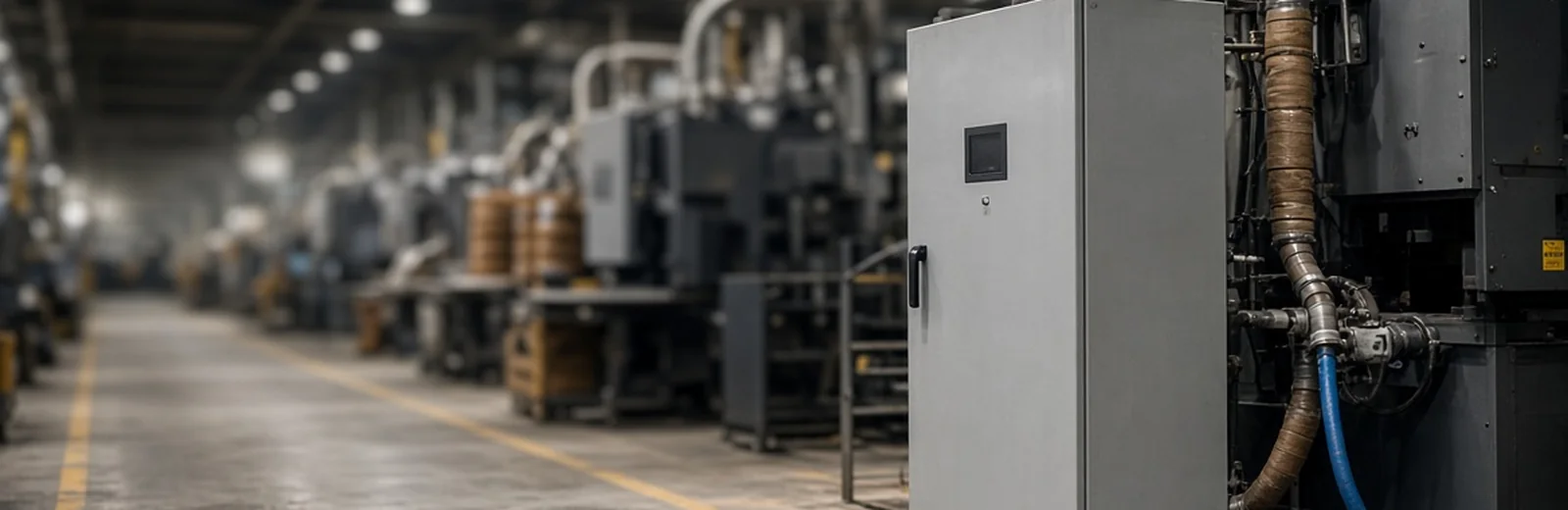
Hot Oil Units
Regal Series oil-circulating units, 100°F to 500°F, for processes beyond water's range.
Learn More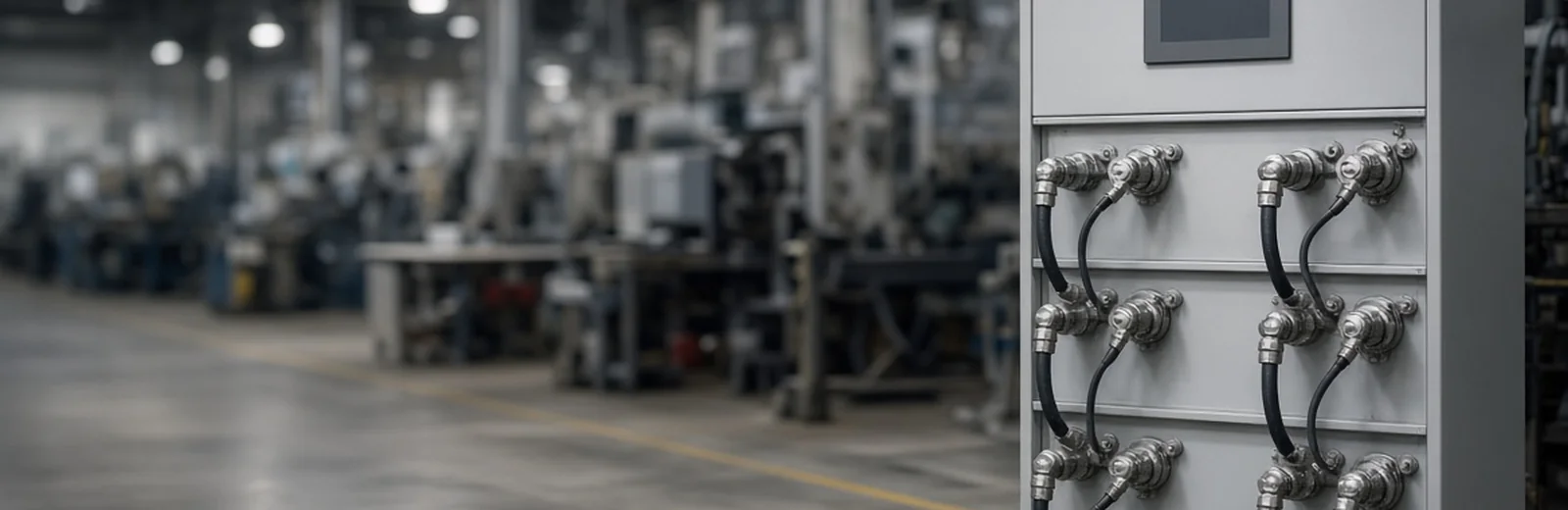
Multi-Zone Units
Bi-Temp and Tri-Temp configurations delivering two or three setpoints from one frame.
Learn More