
1-805-484-2992
Quotes - Engineering - SalesIMAGING SUITES & COLD-CHAIN STORAGE
Reliability Comes
Before Tonnage
Medical imaging equipment generates significant heat in its electronics and, for MRI, in the magnet and gradient coils - heat that has to be removed within tight temperature and reliability tolerances the equipment manufacturer specifies. Unlike most industrial processes, downtime here means canceled patient appointments, which makes chiller reliability and, often, backup capacity a real design consideration rather than a nice-to-have.
Biological and pharmaceutical storage shares the reliability requirement without the same heat load - the priority there is a stable cold-chain temperature maintained continuously, since a temperature excursion can mean a lost or compromised inventory.
Both applications start from someone else's specification. Imaging equipment manufacturers publish the chilled-water temperature, flow and allowable interruption their systems need, and storage requirements are set by the product being stored. An Advantage chiller is sized and configured against those numbers, with margin, rather than against a generic heat-load estimate.
Backup capacity is a common requirement in both. Redundant compressors or a second unit, glycol protection where the mechanical space can freeze, and a clear plan for service without shutdown are part of the selection, not an afterthought.
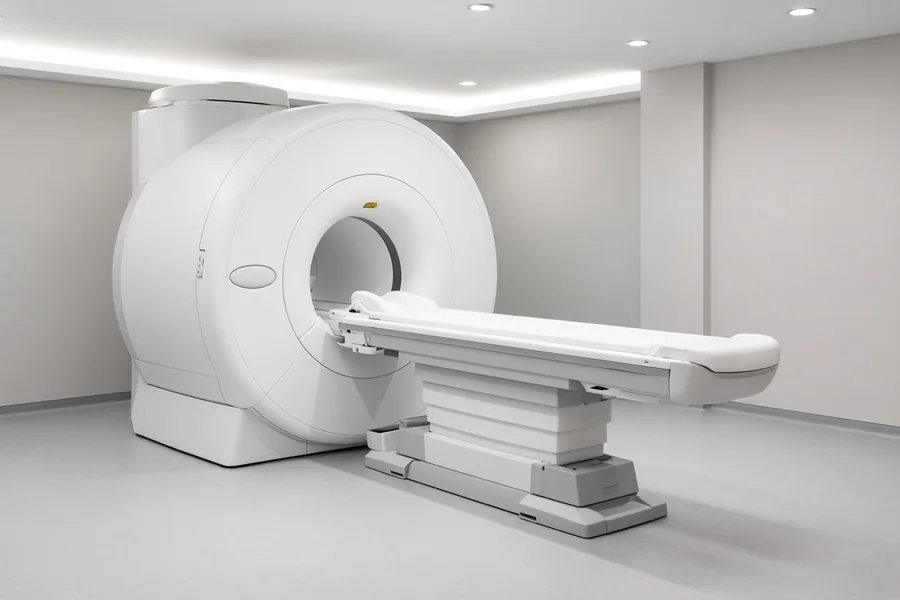
Planning a new imaging suite or storage area? Send us the equipment manufacturer's cooling specification directly and we will match an Advantage chiller to it.
Request a QuoteCOMMON APPLICATIONS

Medical Imaging / MRI

Biological Storage

Laboratory Equipment

Cold Rooms
In a hospital or lab, a cooling failure is measured in canceled scans and discarded inventory. That is why these chillers are sized with more margin, and often more backup, than an industrial load of the same tonnage.
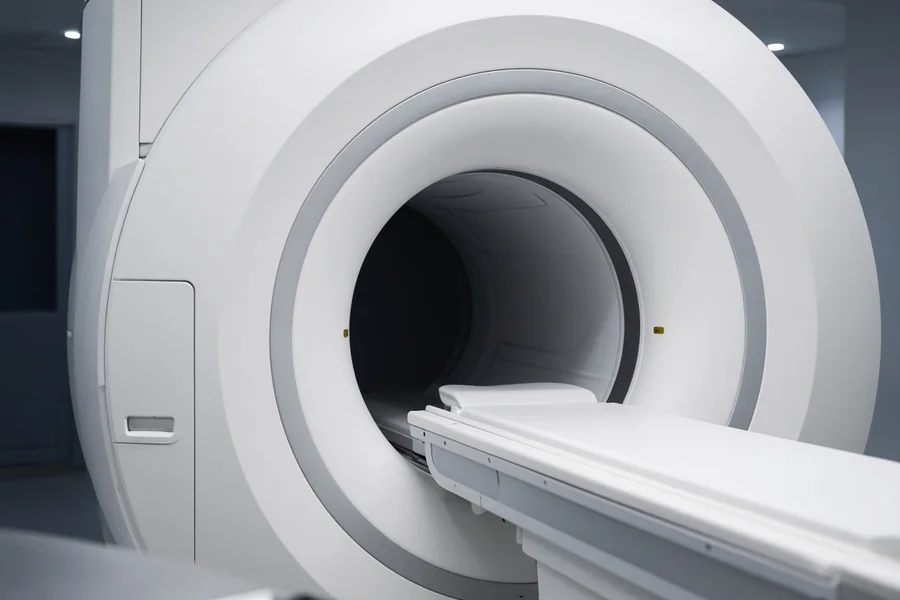
Medical Imaging / MRI
Magnet, Gradient Coil and Electronics
- Sized to the OEM Specification
- Tight Stability During Scans
- Glycol Where Freeze Risk Exists
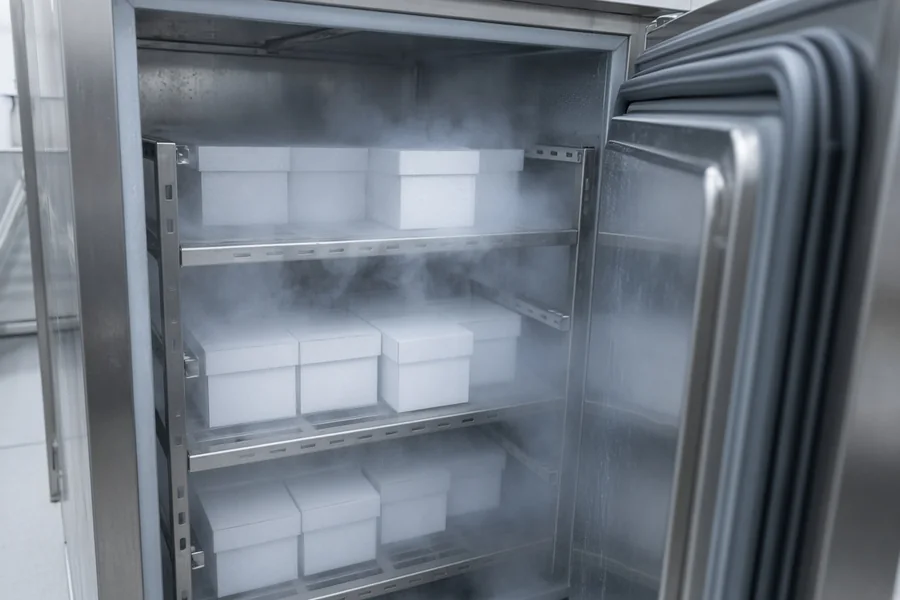
Biological Storage
Continuous Cold-Chain Temperature
- Holds Through Defrost and Door Openings
- Excursion Protection
- Backup Capacity Options
What Makes Medical & Healthcare Cooling Different
Uptime
Patient-Critical
Downtime Isn't An Option
A chiller failure on an MRI system or a biological storage cold room isn't just a maintenance inconvenience - it can mean a canceled imaging schedule or, worse, a compromised sample or specimen inventory.
Setpoint
Tool-Specific
Set By The Equipment, Not A Standard
MRI magnet cooling and biological storage cooling run to whatever the specific equipment manufacturer specifies - there's no one industry-standard setpoint the way there might be for a general chilled-water loop.
Mobility
Portable & Rental-Ready
Mobile Imaging Needs Mobile Cooling
Mobile and rental imaging suites need a chiller that can be trailered, connected quickly and relied on away from a fixed facility's backup systems.
Redundancy
Backup-Minded
Critical Spaces Plan For Failure
Medical and healthcare facilities routinely plan for a cooling failure with backup capacity or a documented emergency response - not just hope the primary system never trips.
Sizing Medical & Healthcare Cooling
Imaging and storage quotes hinge on the heat load in tons, the fluid temperature on the equipment maker's utility sheet, and whether the installation is fixed, mobile or a rental. Redundancy, placement and portable-versus-permanent come after.
A single MRI suite or a biological storage room commonly fits an Advantage portable chiller through roughly 20-40 tons; a multi-suite imaging center or a larger cold-storage facility can move into a packaged Advantage central system's range. Mobile and rental imaging trailers typically call for a compact, transportable unit rather than a fixed central system.
Send Us
- Heat load in tons, or the equipment manufacturer's utility spec
- Required fluid temperature and stability tolerance
- Fixed, mobile or rental installation
- Backup/redundancy requirement
- Which application below matches your equipment
DIG DEEPER BY APPLICATION
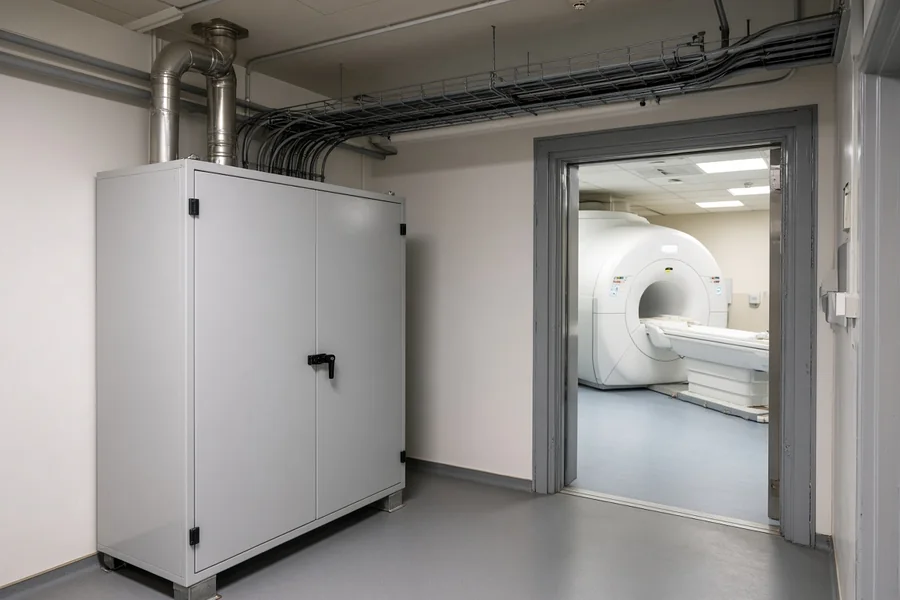
Medical Imaging / MRI
Magnet cooling water held to the tolerance the imaging system's manufacturer specifies.
Learn More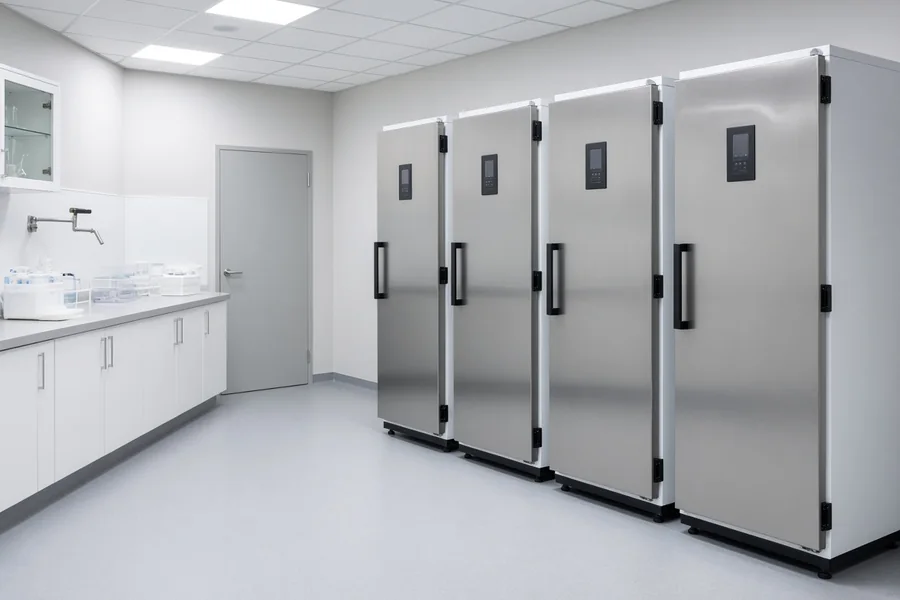
Biological Storage
Cold room and ultra-low freezer condenser support that protects sample and specimen inventory.
Learn More