
1-805-484-2992
Quotes - Engineering - SalesMOLDS, DIES, SPINDLES & BATHS
Cooling That Is
Part of the Process
In most manufacturing processes, whatever is generating heat - a mold, a die, a spindle, a laser resonator, a plating bath - needs that heat removed at a controlled rate to hold dimensional accuracy, surface finish, or equipment life. The chiller supplying that cooling is effectively part of the process, not a separate utility system: change the fluid temperature or flow and the part quality or cycle time changes with it.
Because these processes span such different heat loads and temperature requirements - a laser resonator wants tight, stable temperature; a die-casting die wants fast, repeatable heat removal shot after shot - the right Advantage chiller configuration varies a lot by application even within one plant.
That is why sizing starts from the process, not the machine's nameplate. Shot size and cycle time set a mold's heat load, shot rate sets a die's, spindle horsepower sets a machining center's, and a laser or process tool comes with a published fluid temperature and stability requirement. Two machines with the same rating can need very different chillers.
Single machines are often best served by a dedicated Advantage portable chiller at the press or machine. A plant running several of these processes can do better on a central chilled-water loop sized to the combined load, with add-on modules as the floor grows.
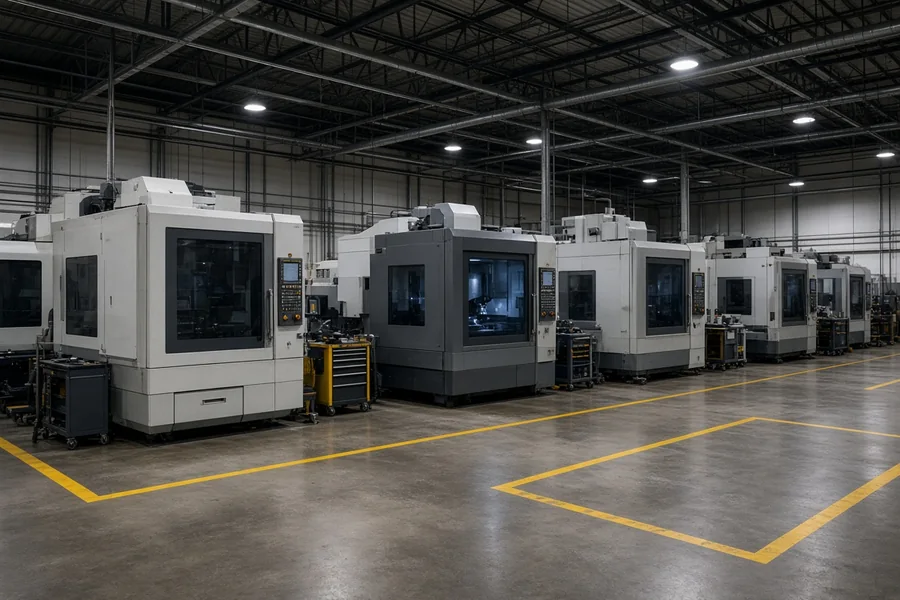
Tell us the process, the machine data and the fluid temperature it needs. If you run several of these in one plant, ask us about a central loop sized to the combined load instead of a chiller per machine.
Request a QuoteCOMMON APPLICATIONS

Metal Finishing

Laser Cutting

Machine Tooling

Semiconductor

Plastics & Molding

Die Casting

Hydraulic Systems

Process Water Loops
Change the fluid temperature or flow and the part changes with it. On a production floor the chiller sets cycle time, tolerance and finish - it is a process setting, not a utility.
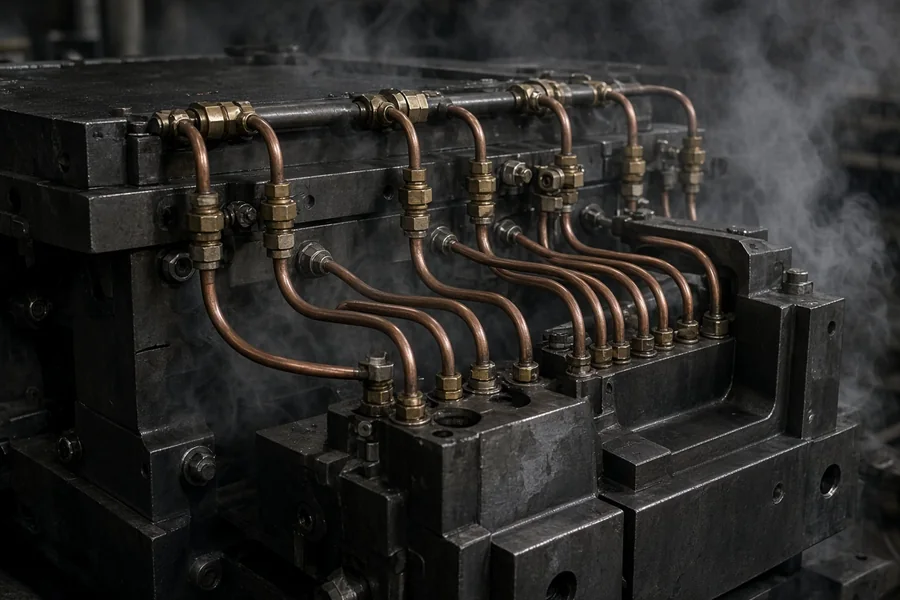
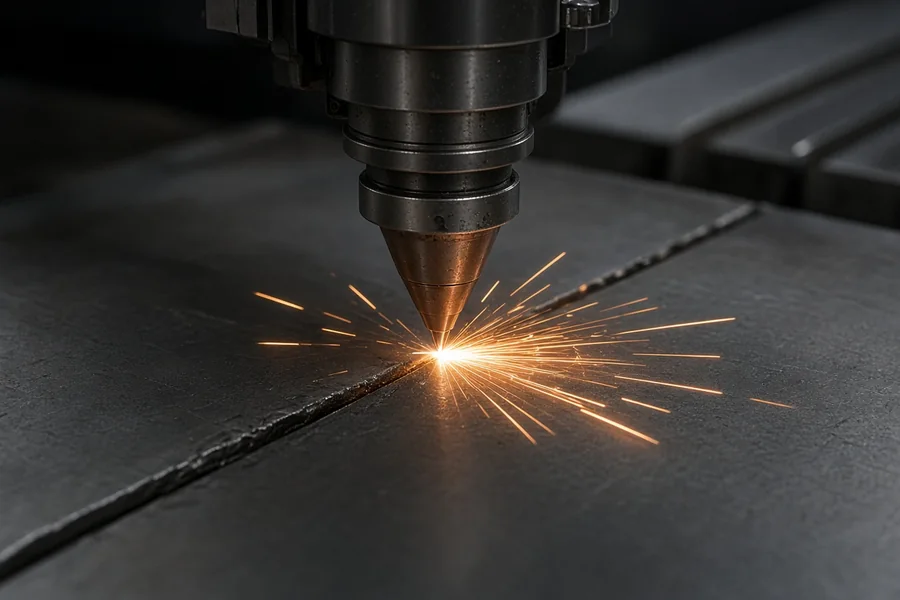
What Makes Industrial Manufacturing Cooling Different
Precision
±1-2°F
Thermal Stability Drives Quality
Machine tooling, semiconductor and laser processes are all sensitive to thermal drift - a coolant loop that wanders even a couple of degrees can show up as dimensional error, part rejects or process instability.
Cycle Time
Mold & Die Cooling
Cooling Sets The Clock
In die casting and injection molding, how fast the mold or die gives up heat directly sets cycle time - undersized cooling doesn't just risk part quality, it caps how many parts the line can run per hour.
Fluid
Process-Matched
Corrosive & Contact-Sensitive Duties
Metal finishing baths and some coolant loops carry corrosive or contact-sensitive fluids. Materials of construction and fluid compatibility have to match the actual process, not a generic chilled-water spec.
Uptime
Line-Critical
A Stopped Chiller Stops The Line
On most manufacturing floors, process cooling isn't a comfort system - a chiller failure means the line stops. Reliability and service response matter as much as base capacity.
Sizing an Industrial Manufacturing Process Loop
Three numbers get a quote moving fast: the peak heat load in tons, the required coolant or mold temperature, and how tight the temperature stability tolerance needs to be. Everything else - fluid type, air-cooled vs. water-cooled, indoor vs. outdoor - follows from those three.
A single machine or process station commonly fits an Advantage portable chiller through roughly 40 tons; a multi-machine cell or a plant-wide loop typically lands in the 40 to 180-210 ton range on a packaged Advantage central system. Above that, a modular or custom system is the right conversation to have with an application engineer rather than picking a model off a spec sheet.
Send Us
- Peak heat load (tons) or the machine/process data to calculate it
- Required coolant or mold temperature and stability tolerance
- Indoor or outdoor installation
- Whether the fluid contacts a corrosive or contact-sensitive process
- Which application below matches your process
DIG DEEPER BY APPLICATION
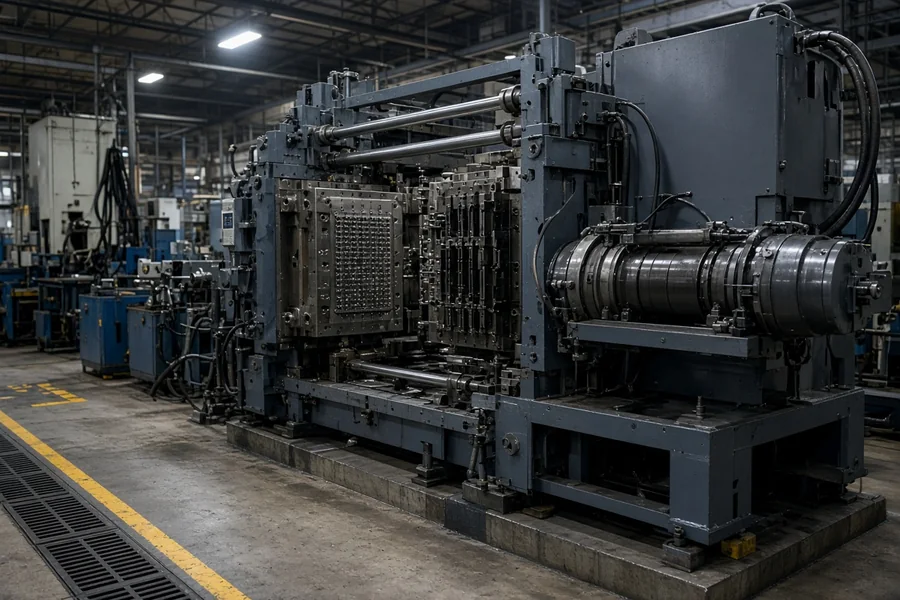
Plastics & Injection Molding
Mold cooling sized to hit target cycle time without sacrificing part quality.
Learn More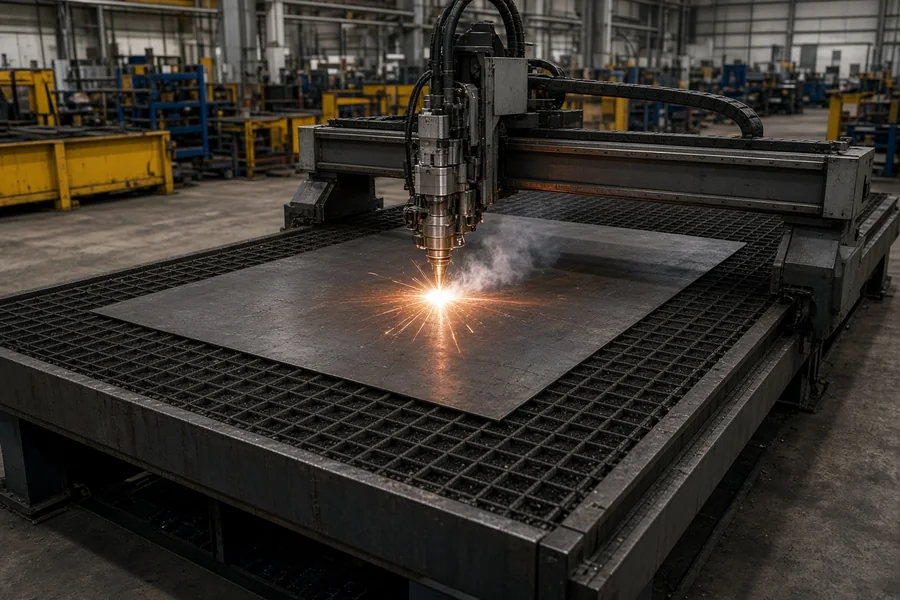
Laser Cutting
Resonator cooling held to a tight temperature band for beam stability and consistent cut quality.
Learn More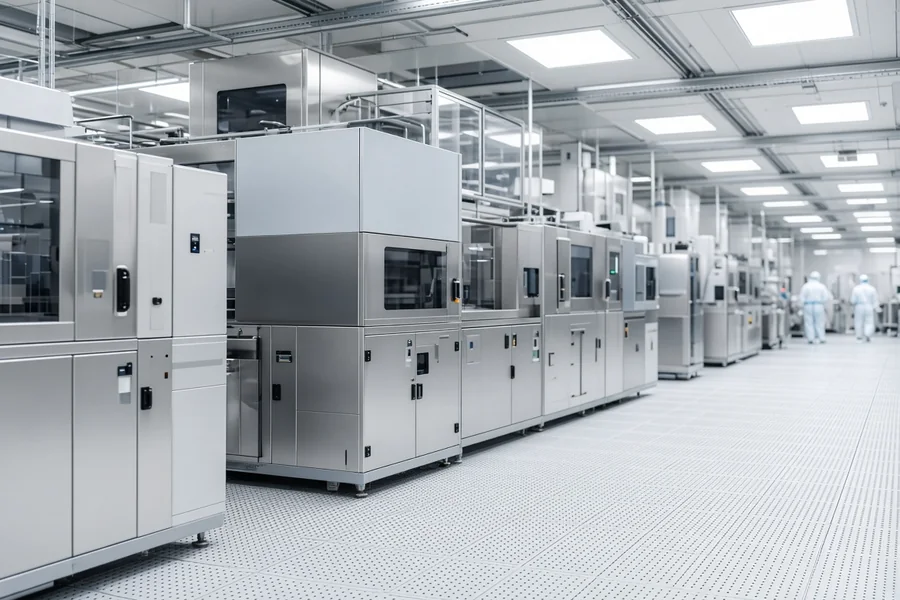
Semiconductor
Tightly controlled process cooling water for tool-level thermal stability and yield.
Learn More