
1-805-484-2992
Quotes - Engineering - SalesREACTORS, CONDENSERS & BATCH PLANTS
Cooling Matched
to the Chemistry
Chemical and pharmaceutical processes tend to be less forgiving of temperature drift than most industries: an exothermic reaction that runs away can be a safety event, not just a quality problem, and a solvent recovery system that can't hold condenser temperature simply fails to recover solvent efficiently. Both depend on a chilled or glycol fluid supply from an Advantage chiller matched to the actual process, not a generic utility loop.
Because batch chemical and pharmaceutical processes often run different reactions or solvents on the same equipment over time, the cooling system frequently needs range - the ability to hold a colder temperature for one campaign and a milder one for the next - more than a single fixed setpoint would provide.
The heat load itself is rarely steady. A reactor can go from a gentle addition phase to a sharp exotherm inside the same batch, and a recovery column's condenser load follows the vapor rate, not the clock. An Advantage chiller for this duty is sized for the peak and given enough turndown to hold a stable jacket or condenser temperature through the quieter parts of the cycle, which is what keeps both the reaction and the recovery rate where the process sheet says they should be.
Fluid choice follows the lowest temperature the process needs. Plain chilled water covers milder duty; where a reaction or a recovery target runs near or below freezing, an Advantage BG glycol chiller holds the loop there without icing, and the same loop can be run warmer for the next campaign.
Send us the reaction or recovery duty, the required fluid temperature, and whether the process fluid contacts anything that requires special materials of construction. We will size to the peak load and confirm fluid and materials before quoting.
Request a QuoteCOMMON APPLICATIONS

Exothermic Reactions

Solvent Recovery

Chemical Processing

Pharmaceutical Production
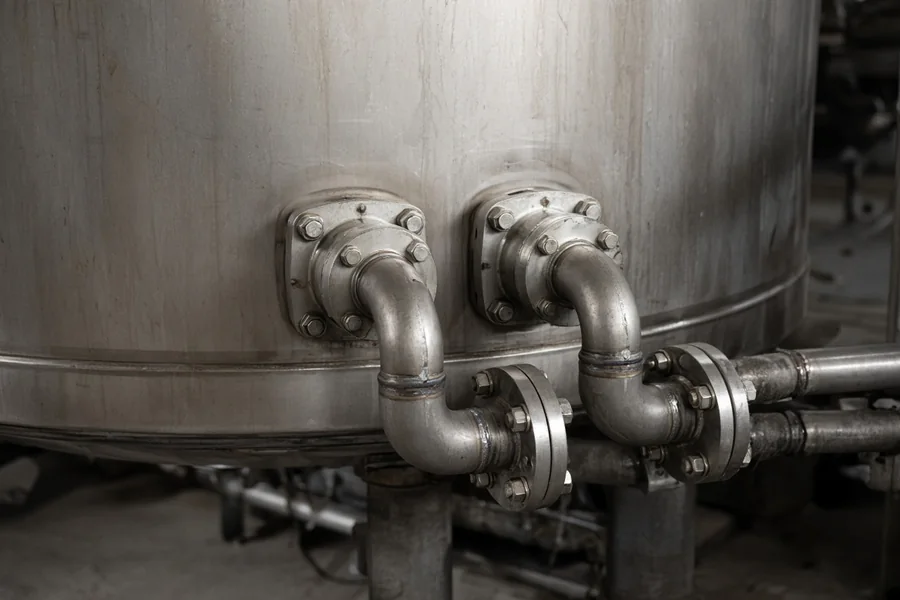
In batch chemistry the chiller is part of the safety case. A cooling loop sized for the average load runs short at exactly the moment the reaction needs it most - so the peak exotherm, not the hourly average, decides the chiller.
Exothermic Reactions
Reactor Jacket & Coil Cooling
- Sized for the Peak Exotherm
- Turndown for Slower Batch Phases
- Glycol for Sub-Freezing Jackets
Solvent Recovery
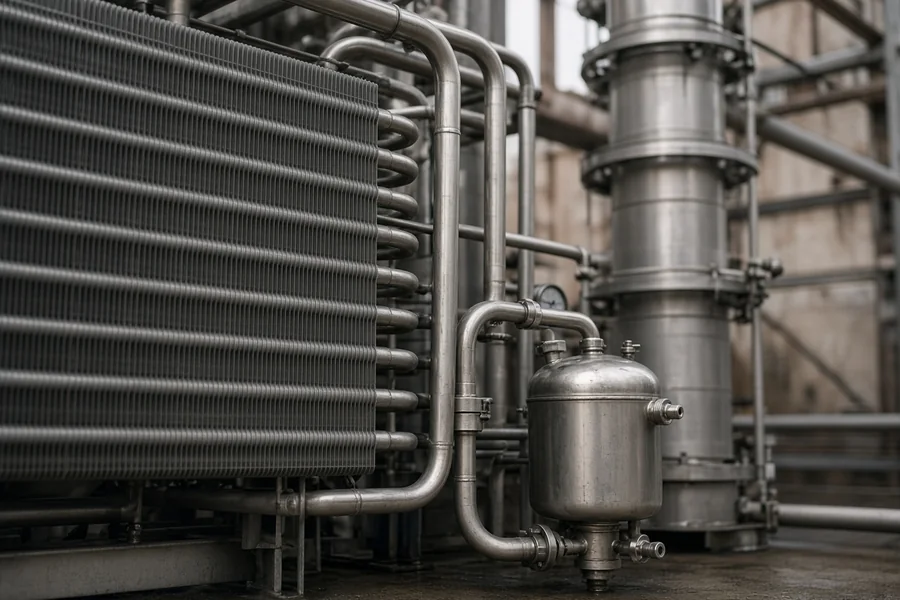
Condenser Cooling for Recovery Columns
- Condenser Temperature Sets Recovery
- Glycol Loops Below 32°F
- Sized to Solvent and Vapor Load
What Makes Chemical & Pharma Cooling Different
Setpoint
20-50°F
Wide Range, One Loop
A batch chemical or pharma plant runs different reactions and recovery duties on the same equipment over time, so the chiller often needs range - a colder setpoint for one campaign, a milder one for the next - rather than a single fixed temperature.
Safety
Peak, Not Average
Sized For The Exotherm
An exothermic reaction's heat output can spike sharply mid-batch. Sizing off the average heat load instead of the peak exotherm is the most common way a reactor cooling system runs short exactly when it matters.
Materials
Contact-Rated
Fluid Compatibility Matters
Wherever a process fluid or vapor could contact the chiller loop - directly or through a failed seal - materials of construction and glycol type need to be confirmed against what the process actually handles.
Uptime
Campaign-Critical
A Stopped Batch Is A Lost Batch
A chiller failure mid-reaction or mid-recovery run can mean scrapping a batch, not just pausing production. Redundancy and fast service response matter more here than in a steady, forgiving process.
Sizing a Chemical or Pharma Process Loop
Three numbers get a quote moving fast: the peak heat load in tons, the fluid temperature the reaction or recovery step needs, and whether the process fluid could contact the loop. Everything else - glycol percentage and concentration, materials of construction, indoor vs. outdoor placement - follows from those three.
Most single-reactor or single-column duty fits an Advantage portable chiller through roughly 40 tons; a multi-reactor plant or a packaged central system running several process points at once typically lands in the 40 to 180-210 ton range. Above that, a modular or custom system is the right conversation to have with an application engineer rather than picking a model off a spec sheet.
Send Us
- Peak heat load (tons) or the reaction/recovery data to calculate it
- Required process fluid temperature and range needed across products
- Whether the process fluid could contact the chiller loop
- Indoor or outdoor installation
- Which application below matches your process
DIG DEEPER BY APPLICATION
Exothermic Reactions
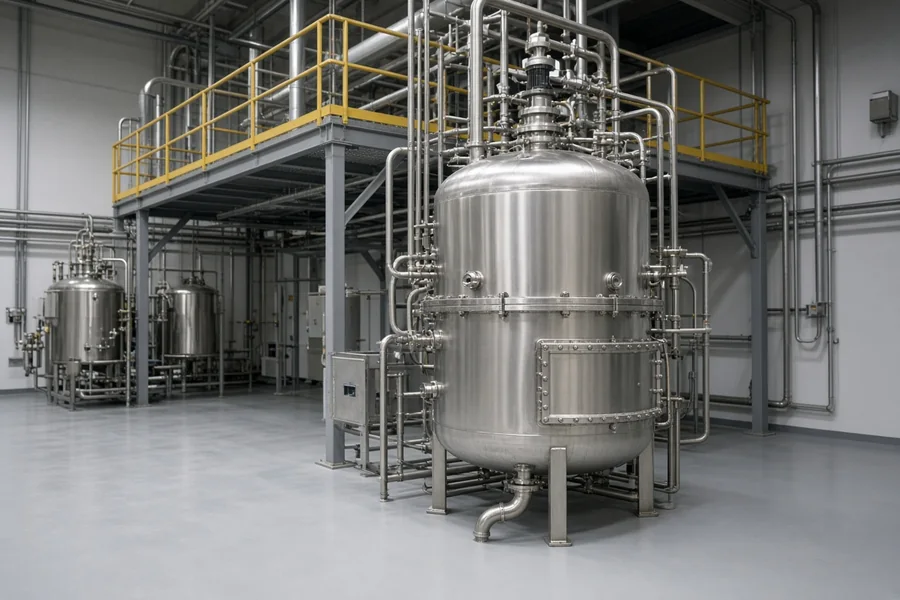
Reactor jacket cooling sized for peak exotherm to control reaction rate and prevent runaway.
Learn More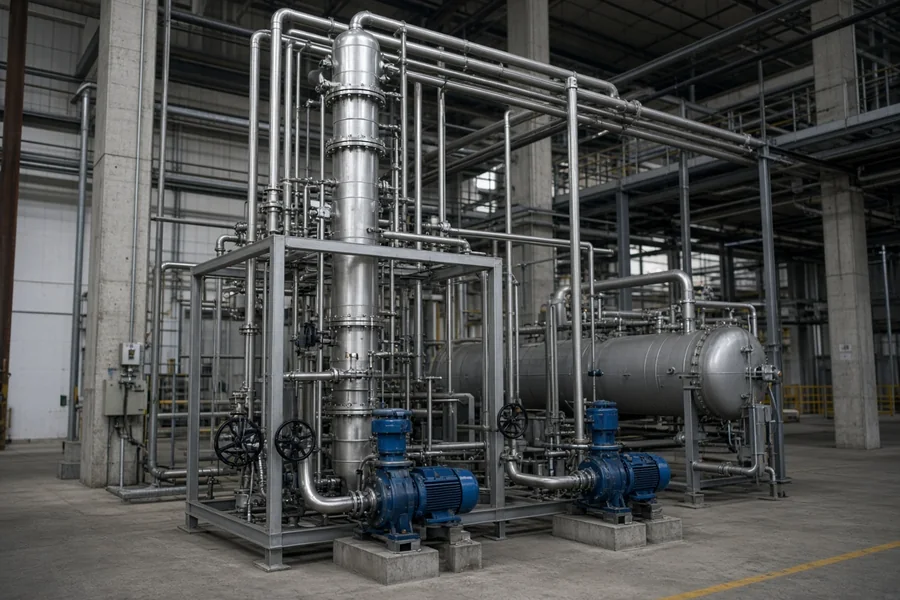
Solvent Recovery
Condenser cooling for distillation and solvent recovery columns to hold recovery efficiency.
Learn More