
1-805-484-2992
Quotes - Engineering - SalesMOLD COOLING
The Largest Share
of the Cycle
In most injection molding cycles, the cooling phase - waiting for the part to solidify enough to eject - takes up more of the cycle than injection and packing combined. An Advantage chiller supplying colder, more consistent water to the mold shortens that cooling phase directly, which is why mold cooling is one of the most common places to find real cycle-time improvement on an existing press.
Cooling water temperature also affects part quality: uneven mold temperature produces warpage, sink marks and inconsistent shrinkage, especially on parts with varying wall thickness. Holding a stable, correctly-sized fluid temperature across the mold's cooling channels controls both dimensional consistency and cosmetic surface quality.
- Mold cooling time is typically the largest share of the molding cycle
- Stable cooling water temperature controls warpage, sink and shrinkage consistency
- Size from actual shot-size and cycle-time heat load, not clamp tonnage alone
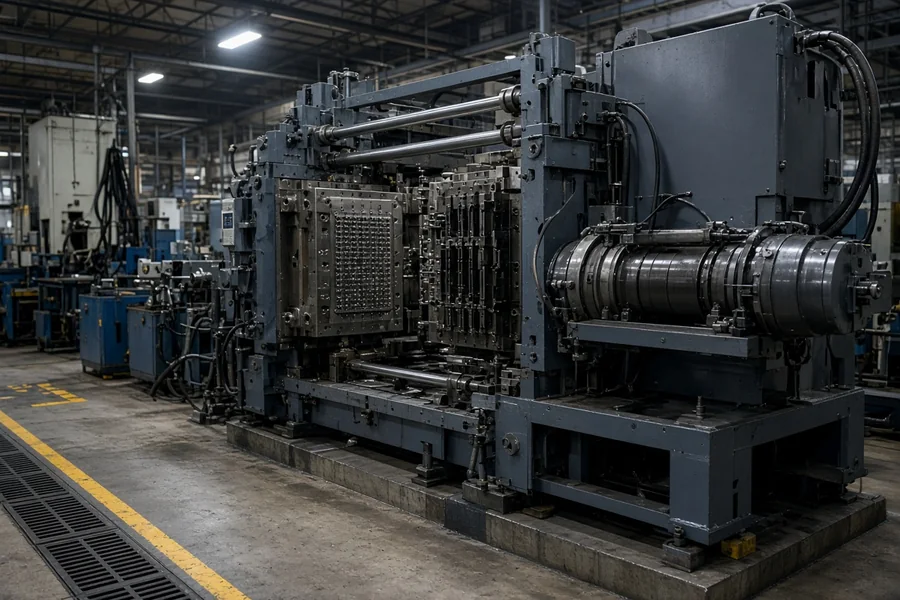
Sizing follows the press's actual heat load - driven by shot size, cycle time and resin - rather than clamp tonnage alone; two presses with the same tonnage rating can have very different cooling demand. See Advantage Portable Chillers for single-press packages or Advantage Central Chillers for a plant running multiple presses off one loop.
Request a QuoteSizing Injection Mold Cooling
Mold cooling sets cycle time the same way die cooling does in die casting: the faster the mold gives up the heat from each injected shot, the sooner it can be opened, ejected and closed for the next cycle. An undersized loop doesn't just risk sink marks or warping - it directly caps parts-per-hour on the press.
Different resins mold at different melt and mold-surface temperatures, so a chiller sized for one product family may not be correctly sized if the plant later runs a resin with a very different process window. We size Advantage chillers to your actual resin mix and target cycle time, not a single generic setpoint.
Send Us
- Resin type(s) and target mold surface temperature
- Shot weight/size and target cycle time
- Number of presses on the loop
- Air-cooled or water-cooled chiller preference
TYPICAL RANGES BY RESIN FAMILY
| Resin Family | Leaving Fluid Temp | Load Profile | Notes |
|---|---|---|---|
| Commodity resins (PP, PE, PS) | 50-70°F | Batch, per-shot spike | Wider process window, easier cooling |
| Engineering resins (ABS, PC, Nylon) | 45-65°F | Batch, higher per-shot spike | Tighter mold-temp window common |
| High-heat / specialty resins | 40-60°F | Batch, high per-shot spike | Confirm OEM/resin processing guide |
Ranges are typical starting points - actual leaving fluid temperature and tonnage depend on your specific resin, mold design and target cycle time. Call and talk it through with an engineer: 1-805-484-2992.