
1-805-484-2992
Quotes - Engineering - SalesOverview
Picking a chiller by tonnage alone is the most common sizing mistake we see. Buyers frequently size off the horsepower of the machine being cooled, the clamp tonnage of a press, or whatever nameplate was on the last unit that failed - none of which is the actual heat load the new chiller has to remove. The right unit comes from a small set of process numbers, gathered once and applied consistently, not from matching the size of nearby equipment.
Those numbers are the heat load in tons or BTU/hr, the required leaving fluid temperature, the ambient design condition for air-cooled units, the flow rate and available pump head, and whether the loop needs glycol. Get those five right and a standard Advantage portable, central or glycol chiller drops out of the selection almost automatically - there's rarely a need to go custom. Get any one of them wrong, particularly the leaving fluid temperature, and a chiller that looks correctly sized on paper falls short on the plant floor, because a chiller's nameplate tonnage is typically rated at a moderate temperature and delivers meaningfully less capacity at a colder setpoint.
The three guides below cover the decisions that follow from those numbers: the step-by-step selection process if this is your first time sizing a chiller, whether a portable or central configuration fits your plant better, and whether air-cooled or water-cooled condensing makes more sense for the mechanical space you have. Between them, they cover the configuration questions that come up on nearly every quote request we field.
Four Numbers That Drive Every Selection
Load
Tons or BTU/hr
Not Machine Size
The chiller has to match the actual heat rejected by the process, not the horsepower of the equipment or the size of the machine it sits next to. A small, high-duty-cycle process can out-load a large machine that runs light.
Temperature
Leaving Fluid
Sets Effective Capacity
Nameplate tonnage is usually rated near 50°F leaving fluid. The same physical unit delivers less capacity at 34°F, because pulling more heat per pound of refrigerant at a lower evaporating temperature is harder work for the compressor.
Ambient
Design Condition
Governs Air-Cooled Units
The hottest air the condenser will actually see - not the seasonal average - sets how much heat an air-cooled unit can reject before capacity falls off. A unit sized for 95°F ambient will fall short in a room that regularly hits 105°F.
Flow & Fluid
GPM & Glycol
Close The Loop
Flow rate and available pump head confirm the pump can actually deliver cooling at the point of use. Glycol becomes a selection input, not an accessory, once fluid temperature drops below 32°F or the unit sits outdoors in freezing weather.
Which Size Is Right?
Start with the Chiller Selection Guide if you haven't sized a chiller before - it walks through heat load, required temperature, ambient condition, flow rate and glycol in the order they matter for a quote. If you already know your heat load and required temperature, the portable-vs-central and air-cooled-vs-water-cooled comparisons will narrow the configuration from there.
Most single-machine and light multi-machine duty fits an Advantage portable chiller through roughly 40 tons. A plant running several machines off one loop, or planning to add more later, typically comes out ahead with a central system in the 5 to 300-ton range depending on configuration. Send us the five numbers above and we'll match a standard model rather than working backward from a guess.
Send Us
- Heat load (tons or BTU/hr)
- Required leaving fluid temperature
- Ambient design condition (air-cooled units)
- Flow rate (GPM) and available pump head
- Glycol requirement, if any
SELECTION GUIDES
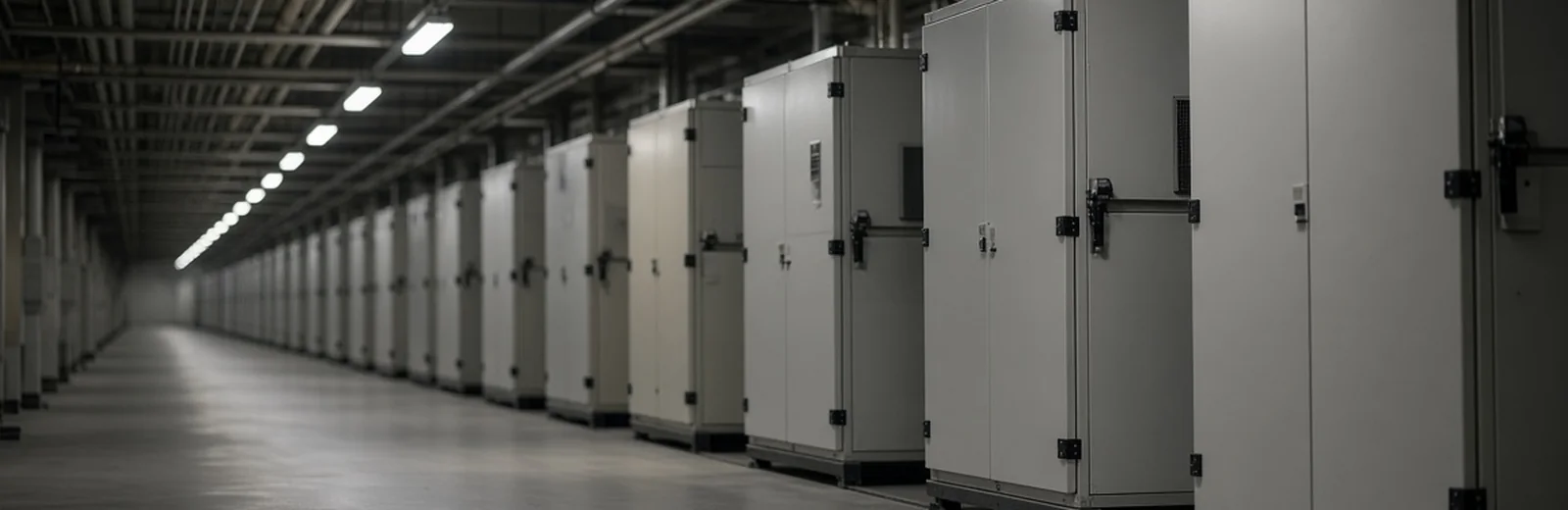
Chiller Selection Guide
Step-by-step sizing from heat load through glycol requirement, in the order that actually matters.
Learn More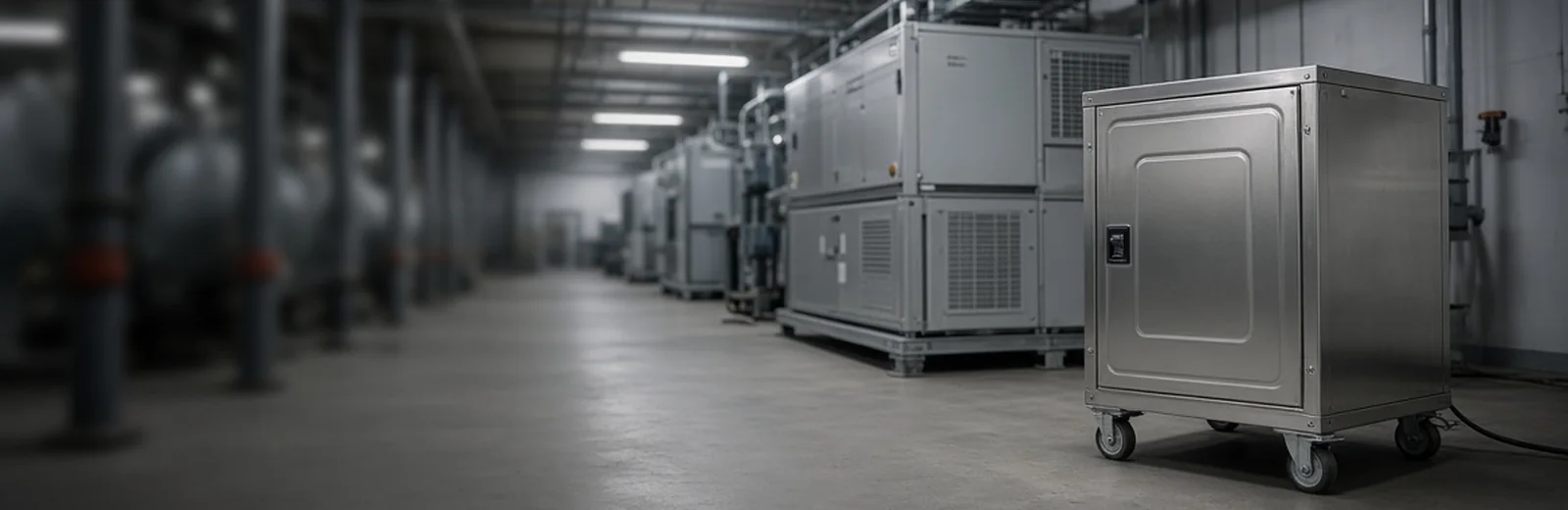
Portable vs Central Chillers
Which configuration fits one machine versus a whole plant, and where the breakeven usually falls.
Learn More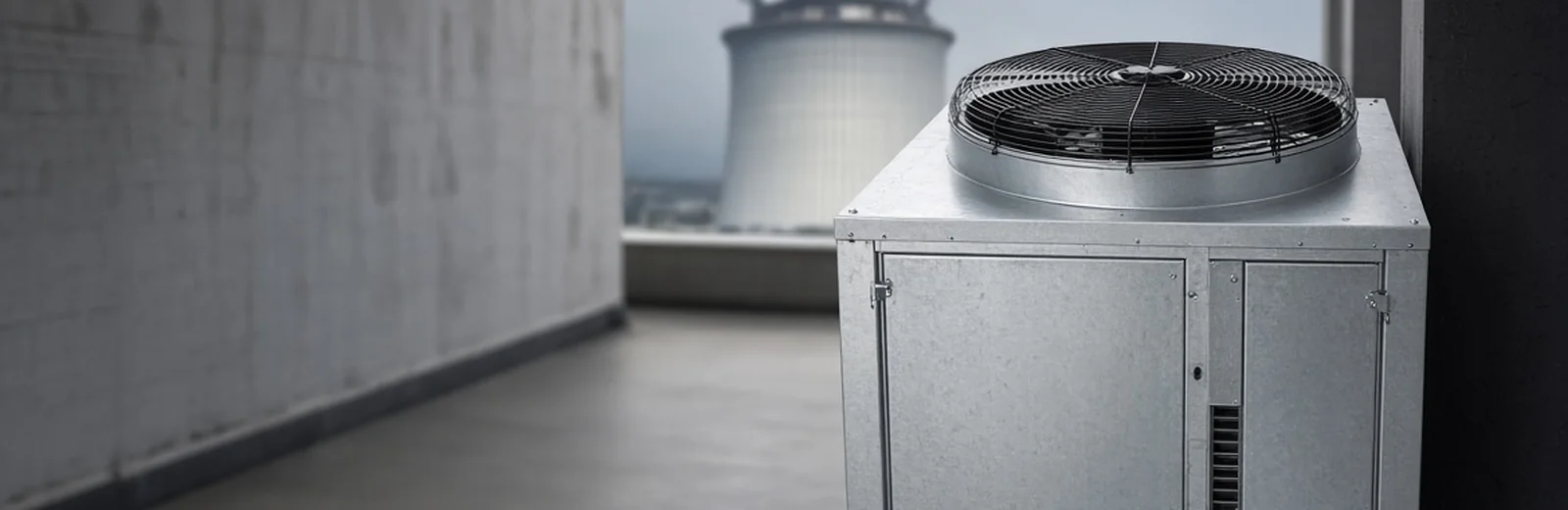
Air-Cooled vs Water-Cooled
How the condenser rejects heat changes the installation, footprint and mechanical-room performance.
Learn More